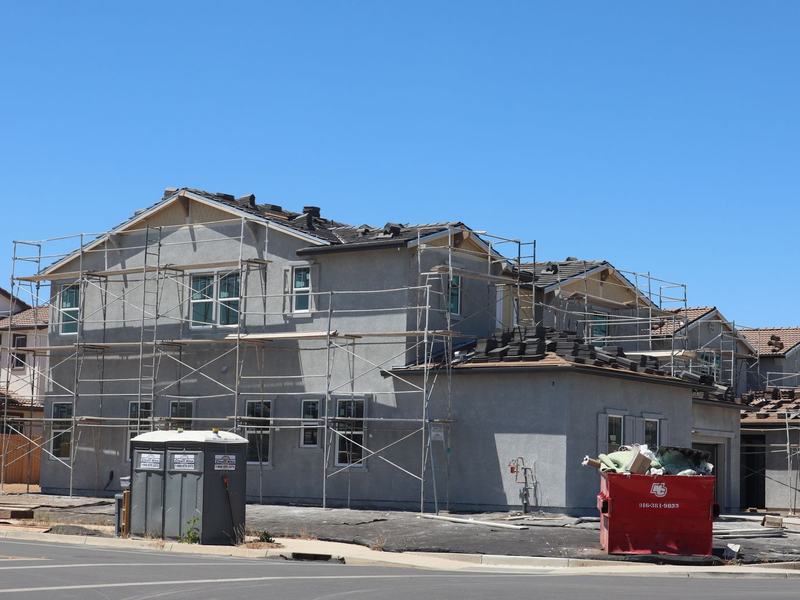
Timing your project around Waterloo's weather makes the work easier and can help you avoid problems with ground conditions or storm damage. Here's what to consider when scheduling a dumpster rental.
Spring is when most homeowners want to start projects, and dumpster companies get busy. March through May sees temperatures climb from the mid-40s to the low 70s, which feels good after a cold winter. The problem is rain and flooding potential. Waterloo averages 36 inches of precipitation per year, and spring can be wet. May alone sees about 12 to 14 wet days. Heavy rain combined with snowmelt from the previous winter makes this the season when the Cedar River can become a problem.
The Cedar River has a history of major flooding in Waterloo. In 1961, the river crested at 21.86 feet, nearly nine feet above flood stage, forcing evacuations and causing an estimated $60 million in damage. It happened again in 2008, when the river hit a record 25.39 feet in June after heavy spring rains and significant snowmelt. Flooding also occurred in 1993, 1999, and 2016. If you live near the river or in a low-lying area, early to mid-spring carries some risk. The city has improved flood control measures over the years, but it's worth paying attention to forecasts if your project involves outdoor work or dumpster placement near the floodplain.
June through August gives you the most reliable weather for outdoor projects. Average high temperatures run in the low to mid-80s, with July hitting around 85 degrees. You'll get about 194 sunny days per year in Waterloo, and a good portion of those fall in summer. June is the wettest month at around 5 to 5.7 inches of rain, but July and August are drier and more predictable.
The ground is firm and dry by midsummer, which makes dumpster delivery easier and eliminates worries about rutting your yard. If you're doing roofing work, summer is the obvious choice—shingles need warm weather to seal properly. Just be ready to work in the heat. Waterloo averages about 15 days per year above 90 degrees, mostly in July and August. Humid continental climate means it can feel sticky. Have water on hand and plan heavy work for morning or evening when it's cooler.
September and October offer mild temperatures in the 60s and 70s and lower humidity than summer. This is an excellent time for projects if you can fit them in before winter. The soil is still dry and stable, and you won't be dealing with spring flooding concerns or the heat of July. Dumpster companies are sometimes less busy after the summer rush, which can mean better availability.
The challenge with fall is the deadline. By late October and into November, temperatures drop into the 40s and you're looking at the first hard freezes. November brings an average of 22 days with lows at or below 32 degrees. Once the ground starts freezing, outdoor work gets harder and concrete work becomes impossible without special measures. If you're planning a fall project, aim for September or early October to give yourself a cushion before cold weather shuts you down.
Waterloo winters are cold and snowy. January lows average around 8 to 11 degrees, and the area gets 34 to 39 inches of snow per year. December through February see about 30 days per month with lows below freezing. Outdoor construction mostly stops, but interior demolition and remodeling continue. If you're gutting a kitchen or tearing out a basement, you can rent a dumpster in winter without major issues.
The main concern is access. Snow and ice can make driveways slippery and block the delivery truck. Make sure your driveway and the path to where the dumpster will sit are cleared and salted. Frozen ground is actually firm and won't rut, but snowdrifts and icy conditions are safety hazards. Expect shorter daylight hours too—winter days are dark by 5 p.m. Winter rental rates are sometimes lower because demand is down, so if your project is interior-only, it can be a cost-effective time to work.
Severe weather can strike any time of the warmer months. Waterloo has seen damaging storms and tornadoes over the years, including notable events in 1991 and various years through the 2000s. If a storm damages your property, you'll need a dumpster quickly. Call rental companies as soon as possible after a storm because everyone else in the area will be doing the same thing. Availability gets tight fast after widespread damage.
For flood cleanup, timing depends on when the water recedes. The Cedar River can rise quickly during heavy rain events, especially in late spring and early summer. Don't place a dumpster in a flood-prone area while water is still high or forecasted to rise. Once conditions are safe and the ground starts to dry out, you can move forward with debris removal. If you're facing storm damage, contact your insurance company first and document everything before you start throwing material into a dumpster.
Also in our network: Best Time of Year for Dumpster Rental in Dubuque, IA, Best Time of Year to Rent a Dumpster in Iowa City.
Send us a few details and a photo and we will get you a free quote.
Get my free quote WATERLOO